The Stories Waiting in the Gear Room
Every September, before the first trip of the school year begins, I unlock the gear room. To someone seeing it for the first time, it probably looks like a crowded collection of outdoor equipment. Boots line the shelves in nearly every size. Backpacks hang from hooks or rest against one another along the wall. Tents, stoves, snowshoes, and other pieces of equipment fill whatever space remains. Some of it is newer, but much of it carries the unmistakable signs of use. There are scratches, faded colours, worn straps, and traces of dirt that never seem to disappear completely.
Over nearly two decades, our school community has built this collection one piece at a time. Former students have outgrown their boots and brought them back. Families have donated backpacks that are no longer needed. Equipment that might otherwise have been forgotten in a basement or garage has found its way into our program, ready to be used again. I often joke that if the gear could talk, we would never get out the door.
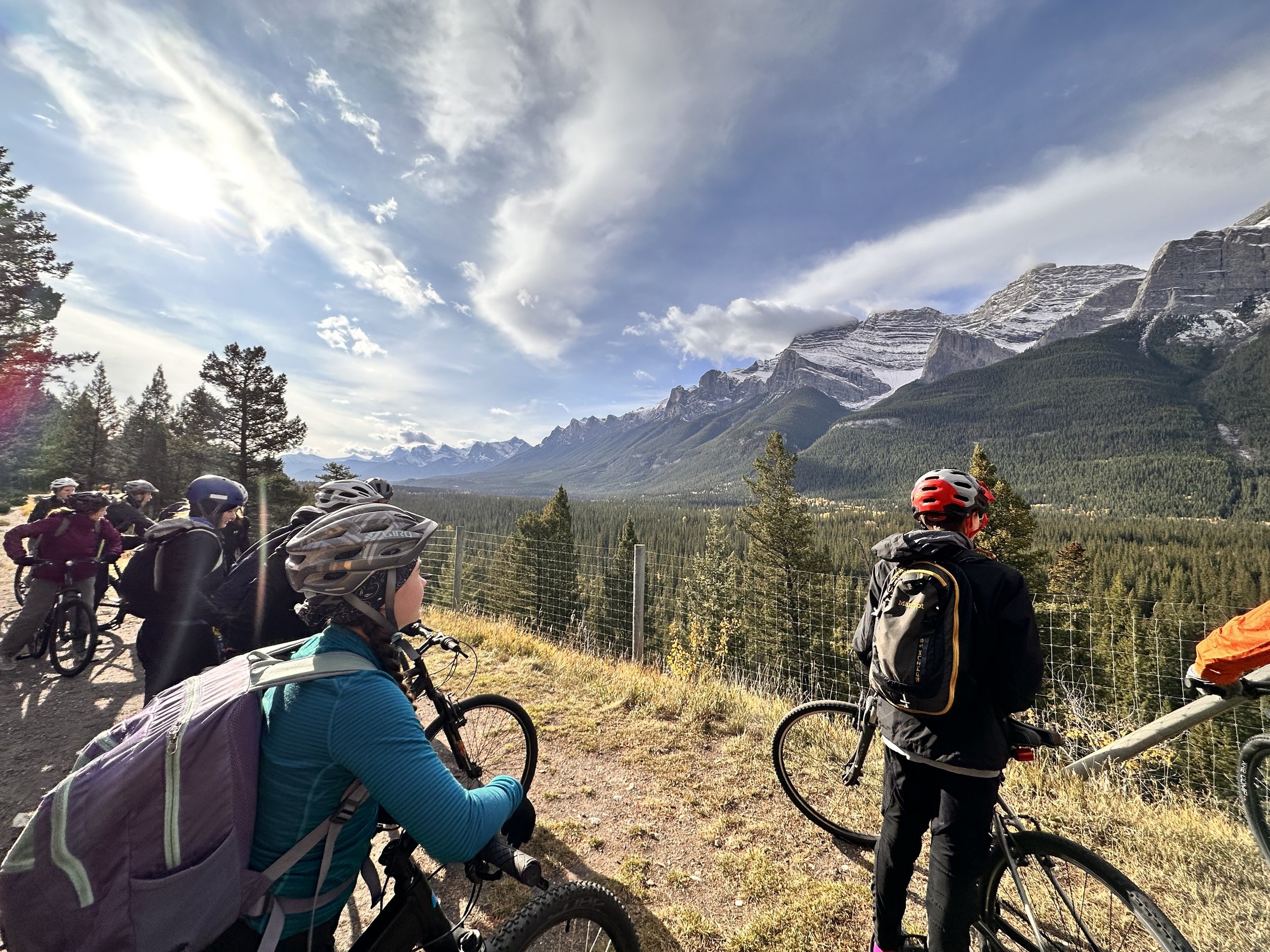
The boots could tell us about every trail they have walked, every patch of mud they have crossed, and every cold morning when someone reluctantly pulled them back onto tired feet. The backpacks would remember the food they carried, the rain that soaked through their covers, and the moments they were dropped to the ground with relief at the end of a long day. But I suspect their best stories would not be about distances or destinations. They would be about the students who wore them.
Many students over the years have arrived in our program without much outdoor equipment of their own. For some families, purchasing hiking boots, a large backpack, rain gear, and everything else needed for a trip is simply not realistic, especially when a young person may outgrow it within a year. Yet the absence of equipment can feel like more than a practical problem. It can quietly convince a student that they are not prepared, that everyone else knows more than they do, or that an experience like this might not be meant for them.
That uncertainty often appears before we go anywhere. Students wonder whether their shoes will be good enough, whether they have the right clothing, or how they will carry everything they need. The questions may be about equipment, but underneath them is something much more personal. They are trying to imagine themselves in an unfamiliar place, doing something they have never done before, and they are not yet certain they belong there.
When we step into the gear room, we find a pair of boots and try them on. We pull a backpack from the wall, adjust the shoulder straps, and show them how it should sit. Sometimes the first size does not fit, or the pack feels awkward, so we try another. There is no grand moment when every worry suddenly disappears. Instead, the change happens gradually as one uncertainty after another becomes manageable.
One of the moments I value most happens before we ever leave the school. I have watched students enter that room worried that everyone else is better prepared. As we find boots that fit and adjust a backpack together, their questions begin to change. They stop wondering whether they will be able to take part and begin asking what the trail will be like. I can often see the shift before they say anything. The backpack may fit better, but the student begins to carry themselves differently too.
I have never wanted a lack of equipment to decide whether a young person gets to participate. What a student owns should not determine whether they get to stand at the trailhead with everyone else. They may still be nervous about the weather, the distance, or sleeping away from home, but the trip no longer feels out of reach. The trail has not become shorter, and the challenge has not been removed. One barrier standing between the student and the experience has simply been taken away.
That is why the gear room has never felt like a storage space to me. Its history grows each time something leaves the shelf. A pair of boots may begin with one student and continue through several more. A backpack donated at the end of Grade 9 may eventually be carried by someone that student will never meet. There is no ceremony when it changes hands. It simply waits until another student needs it.
By the time the gear returns, it has gathered another layer of mud and another chapter in its story. The student who brings it back has gathered something too. Perhaps they now know they can carry what they need, sleep somewhere unfamiliar, keep walking when the day becomes difficult, or ask for help when they need it. Those lessons cannot be placed neatly on a shelf, but they travel with the student long after the equipment has been returned.
Soon the boots are cleaned, the backpacks are hung up, and the gear room becomes quiet again. Everything waits for the next trip and the next student who is not yet sure they are ready.
If those boots and backpacks really could talk, they would have countless adventures to share. I think, however, that their most important story would always be the same. They were there when a young person walked into the room uncertain about what lay ahead, and they helped that person take the first step. When they returned a little dirtier and more worn, they carried one more story back to the shelf and waited for someone else to begin.